Harry Styles Enneagram Type 2: The Most Misunderstood Number When It Wears a Feather Boa
The moment.
December 2016. Harry Styles Enneagram type emerges through one decision: he released a solo single. One Direction finished. The machine stopped. Instead of disappearing to figure out who he was, Styles showed up to accept the award for Best Music Video wrapping his arm around Adele, grinning like he'd known her forever, making jokes that had the entire room laughing.
Not because he needed to. Because it felt right.
This is where Harry Styles Enneagram analysis becomes visible. Points toward Type 2—the Helper, the Loyalist. He represents one of the most useful celebrity examples of Type 2 precisely because he's male. Type 2 gets most dismissed, misread, or reframed when appearing in men. We expect Type 2 women to nurture. We expect Type 2 men to be soft (weakness) or deceptive (manipulation). Styles is neither. He's something more interesting: a Type 2w3 who built a career on genuine warmth and connection—not as marketing strategy, but as core value.
The Harry Styles Enneagram Evidence: Connection Over Everything
The evidence accumulates quietly. In interviews, Styles speaks with consistency about remembering people. Not famous people. Fans. Memorising their names, sending handwritten notes, showing up to fan events without announcement. This isn't PR. Multiple independent accounts suggest it's real, documented through fan communities and industry observers. That's pure Type 2 logic: individual connection matters. Genuine attention matters. Sincere care defines what's real.
When Styles shifted from One Direction to solo career, the narrative wasn't about independence or reinvention. It was about creating music that would genuinely help people. In interviews promoting Fine Line and Harry's House, he repeatedly emphasizes the desire to offer listeners something that might sustain them, that might offer solace. Type 2 core motivation: to be needed, to provide comfort. Type 2 core fear: to be unwanted, unloved, superfluous.
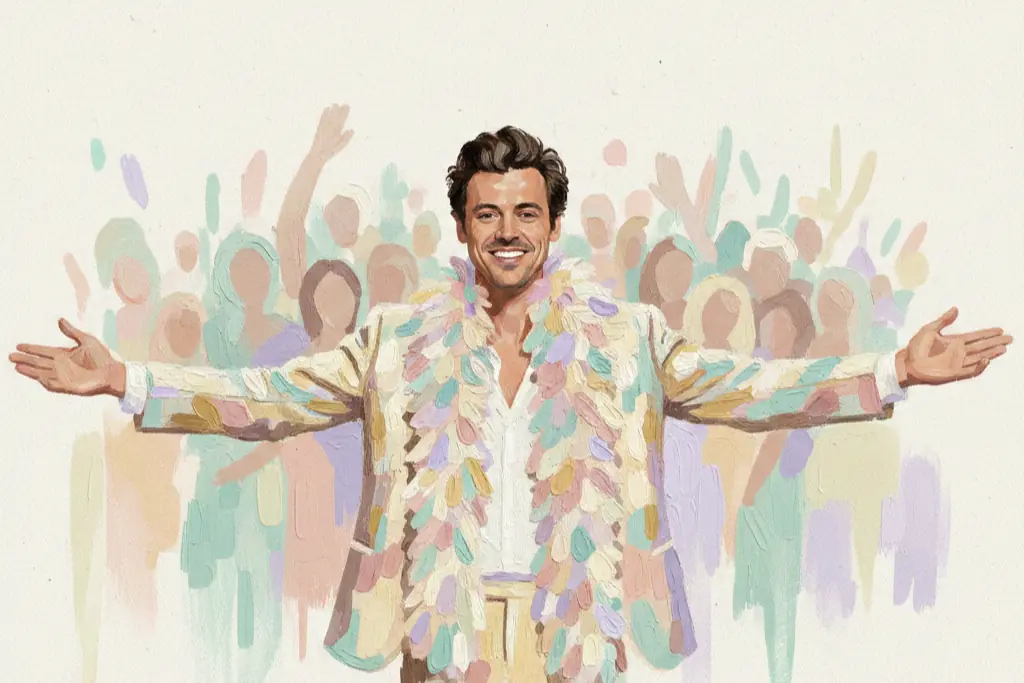
The fashion choices reveal another layer. Styles wears feather boas. Sequined suits. Painted nails. Colours and textures signalling emotional openness. When asked about these choices in interviews, he frames them not as rebellion (Type 4 logic—"I am different and that matters") but as connection. "It makes people feel comfortable to be themselves," he has said. Not "it makes me feel comfortable." It makes other people feel safe. Type 2 translated into wardrobe.
The 3 wing is visible too. Styles is image-aware, strategic in media presence, commercially astute. The Type 2w3 combination produces both deep warmth and high effectiveness. Not the Type 2 burning out giving until empty. The Type 2 who builds sustainable systems of care because his 3 wing ensures the foundation is solid.
The Central Tension: Being Loved for Who You Are
Here's where the Harry Styles Enneagram typing becomes most interesting. The Type 2's deepest need is being loved for who they are, not for what they provide. The core wound is fear: if you stop giving, you will be abandoned.
Styles' documentary work and public interviews touch on this tension repeatedly. The arc from One Direction to solo artist was, in his telling, partly about learning to receive love rather than constantly generate it. About being valued for internal self rather than utility. The challenge many Type 2s face at scale is that celebrity can reinforce the original wound: you become loved for what you give (music, charm, connection) rather than who you are underneath.
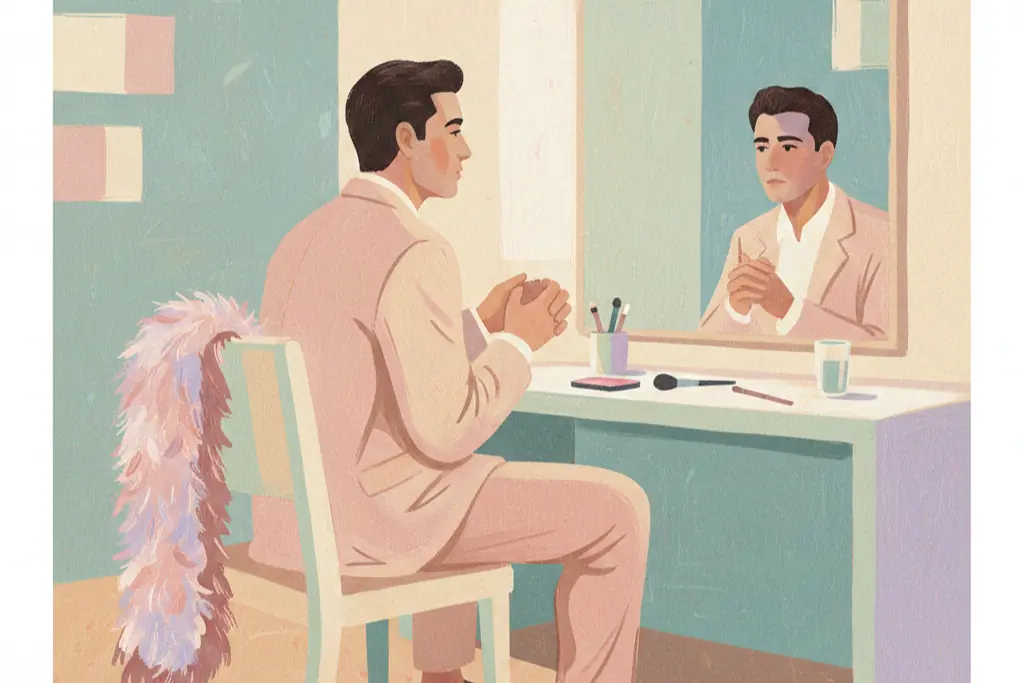
Styles has spoken about this directly. In interviews promoting Harry's House, he discusses the desire to be understood as a person with contradictions, fears, needs—not just a generator of warmth and connection. This is the Type 2's growth work. Moving from "how can I be essential to people?" to "can I be loved even when I'm not performing care?"
Curious about your own type?
Take the free Enneagram personality test and get your full profile in minutes.
Discover Your Type →What This Type Tells Readers About Themselves
If you read Styles as Type 2 and something resonates, sit with the implications.
Type 2s in the audience might recognize the drive to remember people, show up, make others feel genuinely seen. But notice the cost. Notice when you're giving because it feels good versus when you're giving because you fear not being needed. Notice the difference between authentic warmth and strategic care.
Non-Type 2 readers might use this framework to understand the Type 2 people in their lives differently. The Type 2 who volunteers, remembers details, shows up—they're not performing. They're expressing a core part of how they move through the world. The gift is real. But the internal struggle is also real: the fear that they are loved only for their utility.
Harry Styles Enneagram type suggests that for some people, the integrity of care is inseparable from identity. The feather boa isn't rebellion. It's invitation. It's the Type 2 saying: "Here is how I express care—by making space for you to be yourself. Now: is there room for me?"
Curious about your own type?
Take the free Enneagram personality test and get your full profile in minutes.
Discover Your Type →