Billie Eilish Enneagram Type 4: The Authenticity Paradox
The industry said: body-positive curves in sequins. Billie said: oversized everything and body horror imagery. The industry said: love songs about connection. Billie said: songs about depression. The Billie Eilish Enneagram analysis becomes clear through these refusals.
She was famous for being different. For being the artist who would not conform. The Type 4 — "The Individualist" — became successful precisely because of her commitment to authenticity over industry norms.
Billie Eilish is widely typed as a Type 4, and the evidence is hard to argue. But the interesting tension — the thing that makes her case study genuinely instructive — is that her authenticity became a brand. The very thing Type 4s find most uncomfortable happened to her in real time.
Here's what makes this interesting: Type 4s become famous partly because their raw authenticity stands out. But then that uniqueness gets commodified, packaged, and sold back to them as their identity.
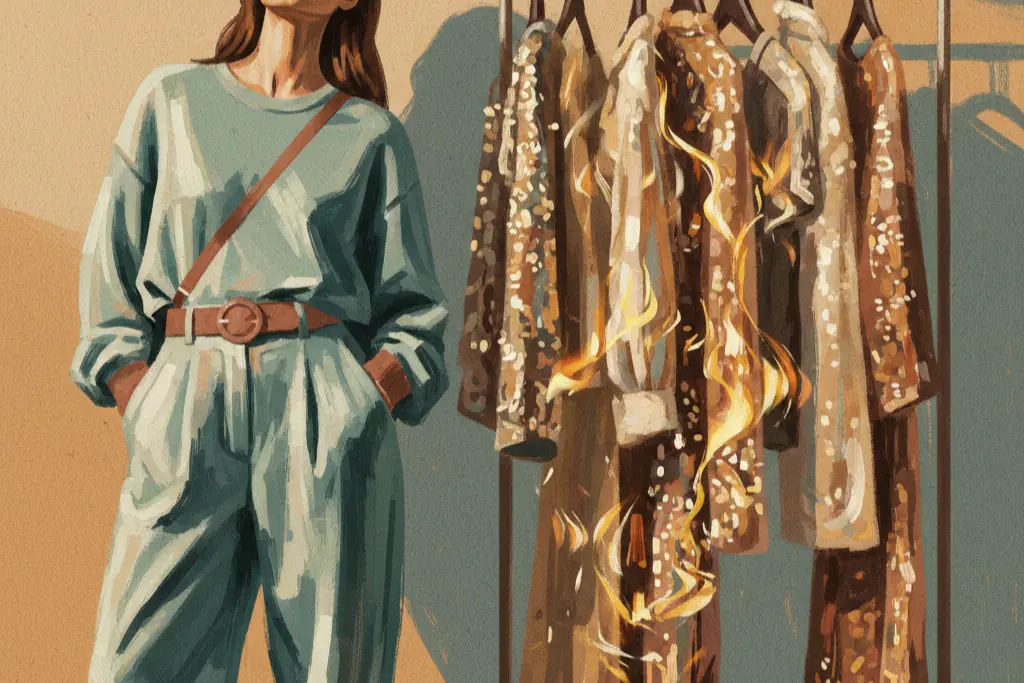
The Billie Eilish Enneagram Type 4 Tells: Authenticity Over Norms
Let's start with what reading as a Type 4 actually looks like when applied to Billie.
Type 4s are driven by the core fear of having no identity, of being fundamentally ordinary. They defend against this by creating or discovering something deeply personal and unique. The 4's identity is constructed around being different, authentic, and irreplaceable.
Billie's early aesthetic choices read like textbook Type 4 moves. When the industry expected makeup, sexiness, and conformity to a body ideal, she wore baggy clothes and no makeup. Not because she was making a political statement (though it became one). But because that's who she was. That was her authentic expression.
Her songwriting is confessional in the way only a 4 can be. "idontwannabeyouanymore" is about body image and self-disgust. "When We All Fall Asleep" is introspective and dark. The lyrics read like entries from someone's actual diary. Not performed authenticity — the kind that 3s do. But actual vulnerability.
Type 4s have a capacity for emotional honesty that other types find disarming. They're okay with sadness, anger, strangeness, the parts of themselves that don't fit. They'll put those things in public because hiding them feels like betraying themselves.
The Paradox: When Your Authenticity Becomes a Product
Here's the trap, though. And it's the thing that makes the Billie Eilish case study so valuable for understanding what Type 4s actually face.
Once Billie's authenticity became famous, it stopped being her thing. It became "Billie Eilish's brand." The baggy clothes became a costume. The sadness became content. The "weird girl" identity became an industry category that she was now the spokesperson for.
Type 4s find this profoundly uncomfortable because their core motivation is to be authentic, not to be famous. But once you're famous, authentic stops being possible in the same way. You're always performing yourself — even when you're being genuine.
Billie has spoken publicly about this. There was a period where she felt the "Billie Eilish" public persona was consuming her actual self. That's the 4's deepest fear playing out: she was being defined by an external identity, and the distinction between her and that identity was collapsing.
The specific 4 anxiety: "If everyone thinks I'm the 'sad weird girl,' and that's just a product now, then who am I?" The identity that was supposed to be the antidote to ordinariness had become ordinary — a brand that anyone could relate to.
Curious about your own type?
Take the free Enneagram personality test and get your full profile in minutes.
Discover Your Type →The Body Image and Fame Pressure Point
Billie's documented struggle with body image is worth understanding through this Type 4 lens.
Type 4s are often highly attuned to their own bodies because they're using their physical expression as a statement of authenticity. Billie's baggy clothes weren't an accident — they were part of her identity architecture. Her body wasn't just her body; it was her statement.
Then fame happened. The industry started commenting on her body. Tabloids speculated about her weight. Paparazzi analyzed her appearance. And suddenly her body wasn't just hers anymore.
For a Type 4, whose core need is to have something that's authentically theirs and uniquely theirs, this is particularly invasive. Your physical form — the thing that's most intimately yours — becomes public property.
Her response has been to reclaim control: she's worn tighter clothes, shown her body on her own terms, made visible that she gets to decide how she's presented. That's Type 4 reclamation: "I get to define myself, not you."

What This Type Tells You About Your Own Type
If you're a Type 4, Billie models something crucial: the tension between authenticity and public visibility is permanent. Once you're known, you can't have the anonymity that allowed you to be purely authentic before.
The healthier 4s learn to maintain some things private. To keep pieces of their identity that are not public currency. Billie's move toward greater control of her own narrative (what she shows, when she shows it) is a Type 4 in healthy development.
The risk for 4s: chasing the feeling of authenticity can become another form of performance. You can spend so much energy on being "real" that you're actually just as trapped as the people you're criticizing for being fake. The antidote: letting some things just be lived, not performed.
If you're a different type, understanding Billie through the Type 4 lens helps you recognize that her intensity about authenticity isn't narcissism. It's a genuine existential need. For Type 4s, being ordinary isn't a personality choice — it's an actual fear. Your seeming overemotionality or intensity about "being real" isn't because you're dramatic. It's because you're terrified of disappearing into a generic identity.
That doesn't make the fear rational. But it makes it understandable.
Internal links: - Enneagram Type 4: The Individualist - Type 4 vs Type 9: Understanding the Difference - All Enneagram Types: A Complete Guide
Curious about your own type?
Take the free Enneagram personality test and get your full profile in minutes.
Discover Your Type →